
Yucca filamentosa ‘Color Guard’ – Complete Growing and Care Guide
Botanical name:
Yucca filamentosa 'color guard'
Common name: Color Guard Yucca
Origin: Southeastern United States (cultivar)
Plant type: Evergreen perennial (rosette-forming)
Height: 60–90 cm (2–3 ft)
Spread: 90–120 cm (3–4 ft)
Sun exposure: Full sun
Soil: Excellent drainage required
Cold hardiness: approx. -35°C (-30°F)
Landscape use: Xeriscape, borders, mass planting, containers
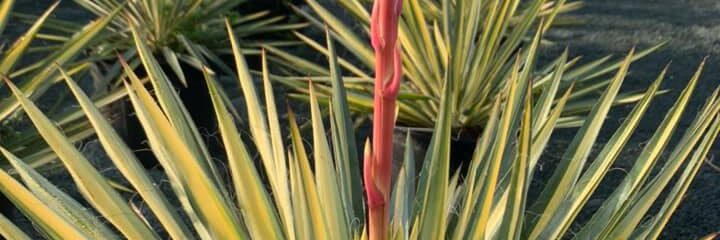
Yucca filamentosa ‘Color Guard’ is one of the most popular variegated yuccas, valued for its striking golden center stripe and evergreen rosette form. Native to the southeastern United States (in its natural species form), this cultivar grows as a dense, ground-level clump, making it a perfect choice for borders, xeriscape gardens, and low-maintenance landscapes.
Unlike trunk-forming yuccas, ‘Color Guard’ remains compact, forming a symmetrical rosette of sword-like leaves that reach around 60–90 cm (2–3 ft) in height and spread wider over time. The bright yellow center of each leaf is bordered by green margins, and in cooler weather, the foliage can develop soft pink or orange tones, adding seasonal color interest.
Adapted to a wide range of conditions, Yucca ‘Color Guard’ thrives in full sun and well-drained soil. It is extremely drought tolerant once established and highly resistant to poor soils, making it ideal for dry gardens and challenging planting locations.
Despite its ornamental appearance, this yucca is also exceptionally cold hardy, tolerating temperatures down to approximately -35°C (-30°F), which makes it suitable for much colder climates than most desert plants.
In late spring to early summer, mature plants produce tall flower spikes with clusters of creamy white, bell-shaped flowers, attracting pollinators and adding vertical interest to the plant’s otherwise low-growing form.
Because of its bold variegation, durability, and minimal care requirements, Yucca ‘Color Guard’ is a top choice for xeriscape design, urban landscaping, and gardeners looking for a hardy yet visually striking plant.
Plant Overview
Yucca filamentosa ‘Color Guard’ is a variegated cultivar of the classic Adam’s Needle, known for its bold yellow center stripe and evergreen rosette form. It grows as a dense, ground-level clump of sword-like leaves, with green margins contrasting the bright golden center.
During cooler months, the foliage can develop soft pink or orange hues, adding seasonal interest and making the plant even more visually striking throughout the year.
Growing Tips
-
Plant in full sun for the strongest variegation and compact growth
-
Use well-drained soil – sandy or gravelly mixes are ideal
-
Avoid heavy, wet soils, especially in winter
-
Water sparingly once established – highly drought tolerant
-
Extremely low-maintenance and long-living perennial
When planted in the right conditions, Yucca ‘Color Guard’ is highly resilient and can thrive for decades with minimal care.
Yucca ‘Color Guard’ Care Guide
Caring for Yucca ‘Color Guard’ is very easy when planted in the right conditions. This hardy perennial prefers sunny locations, well-drained soil, and minimal watering once established. Unlike desert tree yuccas, it is more adaptable and tolerant of a wider range of climates, including colder regions.
Below are the key aspects of growing a healthy and long-lived plant.
How Often to Water Yucca ‘Color Guard’
Yucca ‘Color Guard’ is a drought-tolerant plant that prefers infrequent watering and well-drained soil. Although it is more tolerant of occasional moisture than desert yuccas, it still performs best when not overwatered.
During the growing season, water only after the soil has dried out. In containers, this typically means watering every 7–10 days in warm weather, while plants in the ground may need watering even less frequently once established.
In winter, watering should be kept to a minimum. Excess moisture combined with cold temperatures can lead to root rot, especially in poorly drained soils. Always ensure the soil dries between waterings.
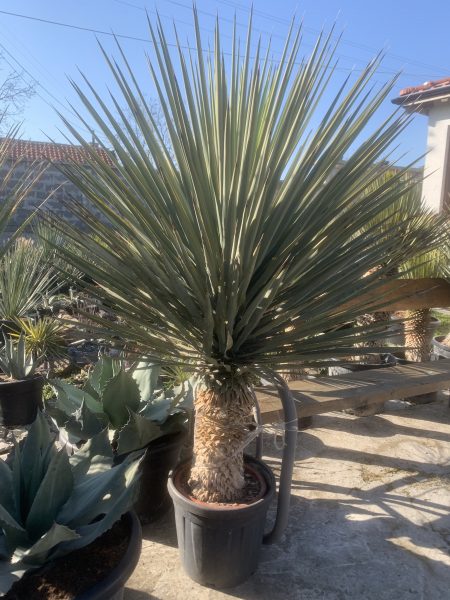
🌵Yucca ‘color guard’ plants available in our nursery
Healthy, cold-hardy Yucca filamentosa çolor guard’ plants grown in our desert garden nursery. Suitable for containers, rock gardens, and xeriscape landscapes.
Lighting Needs for Yucca ‘Color Guard’
Yucca ‘Color Guard’ performs best in bright, sunny conditions and should be planted in full sun for optimal growth and strong variegation. Unlike trunk-forming desert yuccas, this cultivar maintains a compact rosette form, but still relies on direct sunlight to develop its vivid yellow and green leaf contrast.
For best results, choose a location that receives at least six hours of direct sunlight daily. In lower light conditions, the plant may lose its intense yellow coloration, becoming more green and less visually striking.
When grown in containers, place Yucca ‘Color Guard’ in the sunniest spot available, such as a south-facing terrace, balcony, or garden patio. It can tolerate light partial shade, but full sun will always produce the best color and overall plant form.
Soil and Fertilizer Secrets
Yucca ‘Color Guard’ thrives in well-drained soil but is more adaptable than desert yuccas when it comes to soil types. While it tolerates poorer soils, proper drainage remains the most important factor for long-term health.
For garden planting, ensure the soil does not retain excess water, especially during winter. If your soil is heavy or clay-based, improve drainage by adding sand, gravel, or small stones. Slightly raised planting areas can also help prevent water accumulation around the roots.
When grown in containers, use a well-draining soil mix such as cactus or succulent substrate. Adding mineral components like pumice, perlite, or coarse sand will further improve aeration and drainage.
Fertilization is not essential. Yucca ‘Color Guard’ grows well in low-nutrient soils, but a light feeding with a balanced fertilizer in spring can encourage stronger growth and more vibrant foliage.
Temperature and Climate Requirements
Yucca ‘Color Guard’ is highly adaptable and performs well in a wide range of climates, from hot, dry summers to cold winters. Unlike desert tree yuccas, it is naturally suited to more temperate conditions and is one of the most cold-hardy yucca varieties available.
Once established, Yucca ‘Color Guard’ can tolerate temperatures down to approximately -35°C (-30°F), making it suitable for colder regions, including areas with regular winter frost and snow.
As with most yuccas, the key factor for winter survival is not just temperature, but soil drainage. Wet soil during cold periods can lead to root problems, especially in heavier soils.
For best results, plant in a sunny location with well-drained soil. In regions with wet winters, improving drainage with gravel, raised beds, or slightly elevated planting areas will significantly increase the plant’s long-term performance.
Potting and Repotting Yucca ‘Color Guard’
Yucca ‘Color Guard’ adapts very well to container growing and is an excellent choice for pots, terraces, and small garden spaces. As a rosette-forming plant, it remains compact and does not require the heavy, deep containers needed for trunk-forming yuccas.
Choose a pot with good drainage, preferably terracotta or ceramic, which helps the soil dry out more evenly. Drainage holes are essential to prevent excess moisture from accumulating around the roots.
Repotting is only needed every 2–3 years or when the plant outgrows its container. This yucca tolerates slightly root-bound conditions and does not require frequent repotting.
The best time to repot is in spring. When doing so, refresh the soil with a well-draining mix and check the roots for any signs of rot. Since the plant grows as a rosette, ensure the crown stays above the soil level and is not buried.
How to Propagate Yucca ‘Color Guard’
Yucca ‘Color Guard’ is most commonly propagated by division of offsets (pups), which the plant produces readily as it matures. Unlike trunk-forming yuccas, this variety spreads naturally, making propagation much easier and faster.
The best method is to separate offsets from the main plant in spring or early summer. Carefully dig around the base, identify a well-developed pup with its own roots, and gently detach it from the parent plant.
Once separated, plant the offset in well-draining soil and water lightly. Keep the soil slightly moist during the initial establishment phase, then reduce watering as the plant becomes established.
Propagation from root cuttings is also possible. Sections of healthy roots can be planted in a well-draining mix, where they may produce new shoots over time.
Seed propagation is rarely used for this cultivar, as it does not reliably produce true-to-type plants.
How to Encourage Yucca ‘Color Guard’ to Bloom
Yucca ‘Color Guard’ produces tall flower spikes with clusters of creamy white, bell-shaped blooms, typically in late spring or early summer. Flowering occurs once the plant reaches maturity and is well established.
To encourage blooming, provide full sun and well-drained soil. Plants grown in lower light conditions may delay or reduce flowering, as energy is directed more toward leaf growth.
Avoid excessive fertilization, especially with nitrogen-rich fertilizers, as this can promote foliage at the expense of flowers. Yucca ‘Color Guard’ performs best in relatively poor soils where growth remains balanced.
Consistent conditions are key. Plants that are frequently disturbed, overwatered, or grown in overly rich soil may take longer to bloom.
Once mature, the plant sends up a tall flower stalk rising above the rosette, creating strong vertical contrast and attracting pollinators.
How to Properly Prune Your Yucca ‘Color Guard’
Yucca ‘Color Guard’ requires minimal pruning, as it naturally forms a neat, compact rosette. Unlike trunk-forming yuccas, there is no need to manage a crown or trunk structure.
Pruning is mainly limited to removing old, dry, or damaged leaves from the outer part of the rosette. These leaves can be cut close to the base or gently pulled away to keep the plant looking clean and healthy.
Always use clean pruning tools and avoid cutting into the central crown, as this is where new growth emerges.
If the plant produces a flower stalk, it can be removed after blooming once it starts to dry. Cutting the spent flower spike helps maintain a tidy appearance and redirects energy back into the plant.
Overwintering Your Yucca ‘Color Guard’
Yucca ‘Color Guard’ is extremely cold hardy and well suited for winter conditions in many temperate climates. Established plants can tolerate freezing temperatures and even snow without significant damage.
The most important factor during winter is soil drainage. Excess moisture combined with cold temperatures can lead to root problems, especially in heavy soils. Ensuring well-drained soil is far more important than providing cold protection.
In regions with wet winters, planting in raised beds, gravel gardens, or slightly elevated areas helps prevent water from accumulating around the roots.
Container-grown plants are more exposed to freezing conditions and may benefit from additional protection. Placing pots in a sheltered location or elevating them off cold surfaces can help protect the root system.
In most cases, established plants require little to no winter care, making Yucca ‘Color Guard’ one of the most reliable cold-hardy ornamental plants for low-maintenance gardens.
How to Plant Yucca ‘Color Guard’
Planting Yucca ‘Color Guard’ correctly ensures long-term success and healthy growth. This hardy, rosette-forming yucca thrives in full sun and well-drained soil, making it ideal for both containers and garden planting.
Below are the two most common planting methods depending on where you plan to grow the plant.
Planting Yucca ‘Color Guard’ in Containers
-
Choose a wide pot with good drainage (terracotta or ceramic preferred)
-
Ensure the container has drainage holes
-
Use a well-draining soil mix (cactus/succulent mix + минерални добавки)
-
Position the plant so the crown stays above the soil level
-
Place in a sunny location (terrace, balcony, patio)
-
Water lightly after planting, then allow soil to dry between waterings
Planting Yucca ‘Color Guard’ in the Ground
-
Choose a location with full sun
-
Ensure good drainage, especially in heavy soils
-
Improve soil with sand, gravel, or small stones if needed
-
Plant slightly above ground level to prevent water retention
-
Space plants to allow for horizontal spread
-
Water lightly after planting to settle the soil
Other Popular Types of Yucca Plants
Yucca ‘Color Guard’ is just one of many attractive varieties within the Yucca genus. These plants are valued for their architectural form, drought tolerance, and ability to thrive in sunny, low-maintenance landscapes.
Different yucca species and varieties vary in size, leaf color, and growth habit—from compact rosette-forming plants like ‘Color Guard’ to larger trunk-forming species used as focal points in landscape design.
If you like the bold variegation of Yucca ‘Color Guard’, you may also want to explore other yuccas with different forms and textures that work well in xeriscape gardens and container planting.
👉 You can explore more species in our Yucca plants collection.
You May Also Like


Common Pests and Problems of Yucca ‘Color Guard’
Yucca ‘Color Guard’ is a very resilient and low-maintenance plant that rarely suffers from serious pest or disease issues. When grown in full sun and well-drained soil, it remains healthy with minimal intervention. Most problems are related to excess moisture, poor drainage, or overly shaded conditions.
Pests
Yucca ‘Color Guard’ is generally pest-resistant, but occasional infestations may occur, especially in контейнери или при по-слаба циркулация на въздуха.
The most common pests include:
-
Scale insects – attach to leaves and feed on plant sap
-
Mealybugs – small white insects found near the base of leaves or within the rosette
In most cases, infestations are minor and can be controlled by manual removal or by using insecticidal soap or horticultural oils.
Plant Diseases
Diseases are uncommon and almost always связанни с излишна влага.
The most common issue is root rot, caused by consistently wet soil or poor drainage. Symptoms may include:
-
Yellowing or soft leaves
-
Mushy base of the plant
-
Slowed or stunted growth
In more humid environments, fungal leaf spots may occasionally appear, but these are usually cosmetic and do not seriously harm the plant.
Where to Buy Yucca ‘Color Guard’ Plants
If you are looking to add this hardy and visually striking plant to your garden or collection, Yucca ‘Color Guard’ is available in our online shop. We offer carefully grown plants suitable for both garden planting and container use.
Our plants are selected for strong root systems and healthy growth, ensuring they establish quickly and perform well in a wide range of conditions. Whether you are designing a xeriscape garden, planting borders, or creating a low-maintenance container display, Yucca ‘Color Guard’ is an excellent choice.
👉 Check Availability in Our Nursery
Healthy, cold-hardy Yucca ‘Color Guard’ plants grown in our desert garden nursery:
Quick Reference
Final Thoughts
Yucca ‘Color Guard’ is one of the most versatile and visually striking hardy yuccas for sunny gardens and low-maintenance landscapes. With its bold yellow and green variegation and excellent tolerance to drought and cold, it is a reliable choice for a wide range of garden styles.
When planted in well-drained soil and full sun, this plant is exceptionally easy to grow and requires minimal care. Whether used in borders, xeriscape designs, or containers on a sunny terrace, Yucca ‘Color Guard’ adds structure, color, and year-round interest to any outdoor space.
FAQ About Yucca 'color guard'
How fast does Yucca ‘Color Guard’ grow?
Yucca ‘Color Guard’ has a moderate growth rate. It gradually expands outward, forming larger clumps over time rather than growing in height.
Is Yucca ‘Color Guard’ cold hardy?
Yes, it is extremely cold hardy. It can tolerate temperatures down to about −25°C (−13°F), making it suitable for colder climates.
Can Yucca ‘Color Guard’ grow in pots?
Yes, it grows very well in containers. Choose a well-draining soil mix and a pot with good drainage, and place it in full sun for best results.
How often should Yucca ‘Color Guard’ be watered?
Water sparingly. Allow the soil to dry between waterings. Once established, the plant is highly drought tolerant and prefers dry conditions.
Does Yucca ‘Color Guard’ bloom?
Yes, mature plants produce tall flower spikes with creamy white flowers, usually in late spring or early summer.
What soil is best for Yucca ‘Color Guard’?
Well-draining soil is essential. Sandy or mineral-rich mixes with added gravel, perlite, or pumice work best to prevent excess moisture.
Guides
If you want to learn more about growing desert plants and yuccas, explore our detailed guides below. These articles will help you create a healthy environment for your plants and improve your gardening success.