
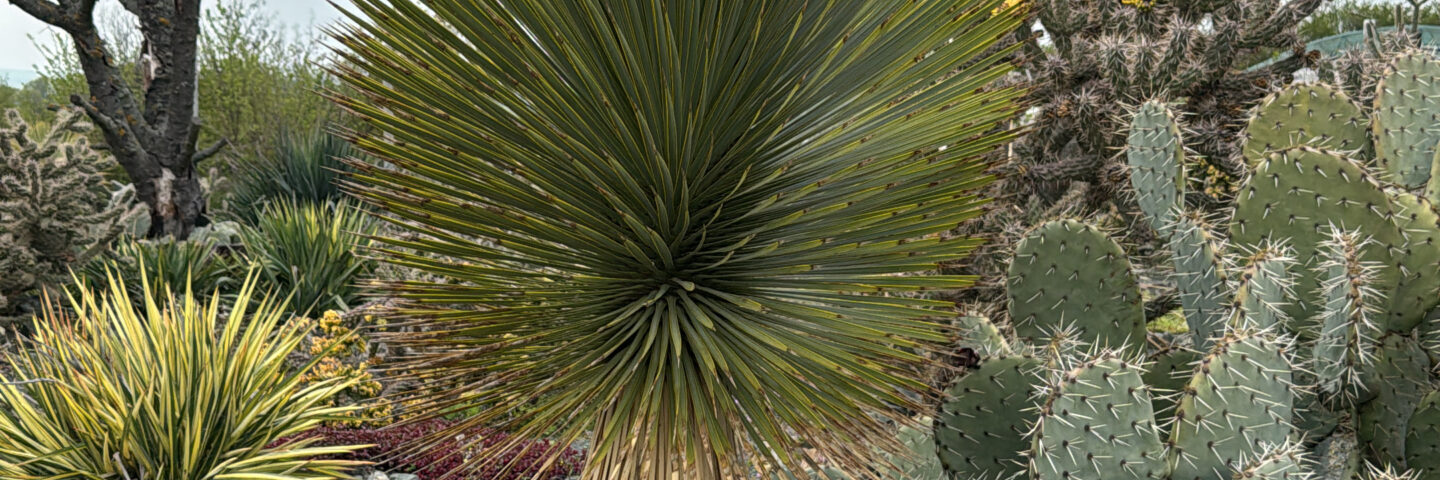
Yucca Rostrata (Beaked Yucca) – Complete Growing and Care Guide
Botanical name:
Yucca rostrata
Common name: Beaked Yucca
Origin: Northern Mexico, West Texas
Plant type: Evergreen desert tree / trunk-forming yucca
Height: up to 3–4 m (10–13 ft) with age
Sun exposure: Full sun
Soil: Excellent drainage required
Cold hardiness: approx. -18°C (0°F)
Landscape use: Xeriscape, dry gardens, architectural focal plant
Yucca rostrata is one of the most iconic desert plants, valued for its perfectly symmetrical crown of blue-gray leaves and elegant tree-like form. Native to northern Mexico and West Texas, this slow-growing species forms a single trunk topped with a dense spherical rosette, creating a dramatic architectural presence in gardens and landscapes.
Over time, Yucca rostrata develops a tall trunk that can reach 3–4 meters (10–13 ft) in height. The narrow, stiff leaves form a striking blue or silver-blue crown that contrasts beautifully with gravel gardens, modern landscapes, and Mediterranean-style plantings.
Thanks to its natural adaptation to arid climates and rocky soils, Yucca rostrata thrives in full sun and extremely well-drained soil. Despite its desert origin, it is also one of the most cold-hardy trunk-forming yuccas, tolerating temperatures down to approximately -18°C (0°F) when planted in dry soil.
In late spring or early summer, mature plants may produce a tall flowering stalk with clusters of creamy white bell-shaped flowers, adding seasonal interest and attracting pollinators.
Because of its sculptural shape, drought tolerance, and cold hardiness, Yucca rostrata has become a favorite plant for xeriscape gardens, desert landscapes, and contemporary garden design.
Plant Overview
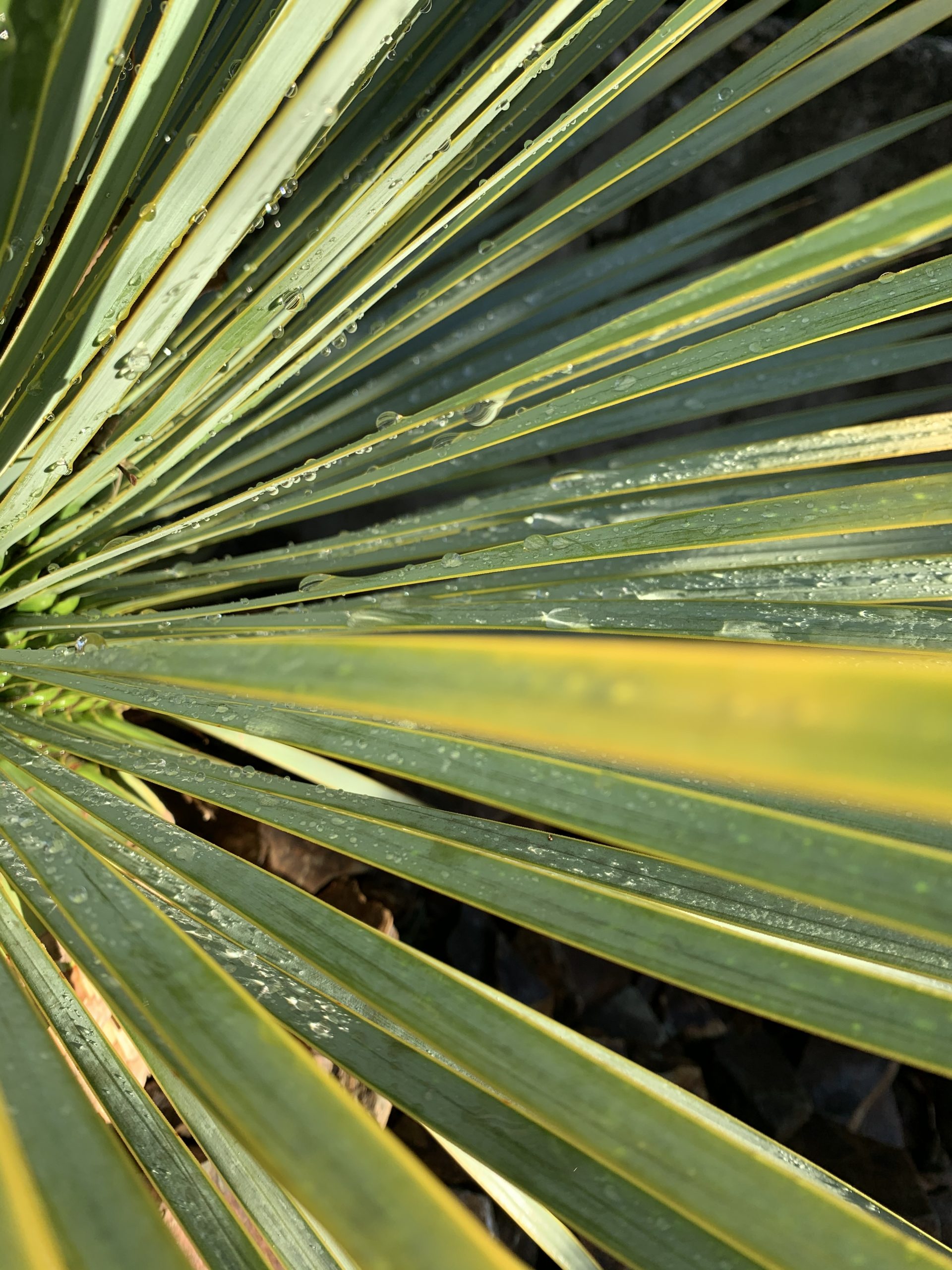 Yucca rostrata is a slow-growing desert yucca known for its tall trunk and perfectly symmetrical crown of blue-gray leaves. Native to northern Mexico and parts of Texas, this striking species has become one of the most popular architectural plants for modern landscapes and dry gardens.
In its natural habitat, Yucca rostrata grows in rocky desert slopes and well-drained soils, where it develops a single trunk topped with a dense rosette of narrow leaves. Mature plants can reach impressive heights over time, creating a dramatic focal point in gardens, courtyards, and xeriscape landscapes.
One of the reasons for its growing popularity is its exceptional adaptability. Despite its desert origin, Yucca rostrata is surprisingly cold hardy and can tolerate freezing temperatures when planted in well-drained soil. At the same time, it thrives in hot, sunny environments and requires very little maintenance once established.
Yucca rostrata is considered an easy plant to grow when its natural desert conditions are replicated. The most important factor for success is excellent drainage, especially in regions with wet winters, where excessive moisture around the roots can cause problems.
Growing Tips
-
Plant in full sun for the best growth and color of the blue leaves.
-
Use very well-drained soil, ideally sandy or gravelly. Avoid heavy clay soils.
-
Water sparingly once established. The plant is highly drought tolerant.
-
Protect from excessive winter moisture, which is more harmful than cold temperatures.
-
Allow space for growth, as mature plants can develop a wide crown and tall trunk.
When planted in the right conditions, Yucca rostrata is extremely resilient and can live for decades with minimal maintenance.
Yucca Rostrata Care Guide
Caring for Yucca rostrata is relatively simple once the plant is placed in the right environment.
This desert species prefers sunny locations, well-drained soil, and minimal watering.
Below are the key aspects of growing a healthy and long-lived plant.
How Often to Water Yucca Rostrata
Yucca rostrata is a drought-tolerant desert plant that prefers infrequent but deep watering. In its natural habitat, rainfall is limited and the soil drains quickly, so the roots are adapted to dry conditions rather than constant moisture.
During the growing season, water the plant only when the soil has completely dried out. In containers this usually means watering every 10–14 days in warm weather, while garden plants may require even less frequent watering once established.
In winter, watering should be reduced significantly. Excess moisture during cold months is one of the most common reasons for problems with Yucca rostrata, especially in regions with wet winters. Always allow the soil to dry thoroughly between waterings.
🌵Yucca rostrata plants available in our nursery
Healthy, cold-hardy Yucca rostrata plants grown in our desert garden nursery. Suitable for containers, rock gardens, and xeriscape landscapes.
Lighting Needs for Yucca Rostrata
Yucca rostrata thrives in bright, sunny conditions and performs best when planted in full sun. In its natural desert habitat, the plant receives intense sunlight throughout the day, which helps it develop its characteristic dense crown and strong trunk.
For optimal growth, choose a location that receives at least six hours of direct sunlight daily. Plants grown in insufficient light may develop weaker growth, elongated leaves, and a less compact crown.
When grown in containers, Yucca rostrata should be placed in the sunniest spot available, such as a south-facing terrace, balcony, or garden patio. Indoors, it should only be kept near very bright windows, as low light conditions can slow growth significantly.
Soil and Fertilizer Secrets
Yucca rostrata thrives in well-drained soil and is highly sensitive to excess moisture around its roots. In its natural habitat, this desert species grows in rocky slopes and sandy soils where water drains quickly and the roots remain well aerated.
For garden planting, the most important requirement is excellent drainage. If your soil is heavy or clay-based, it is recommended to amend it with coarse sand, gravel, or small stones to improve drainage and prevent water retention around the root system.
When grown in containers, use a fast-draining cactus or succulent soil mix. A blend containing mineral components such as pumice, perlite, lava rock, or coarse sand works particularly well and helps mimic the natural desert conditions where the plant evolved.
Fertilization needs are minimal. Yucca rostrata is adapted to nutrient-poor soils and generally grows well without regular feeding. If desired, a light application of a balanced fertilizer in spring can support healthy growth during the active season.
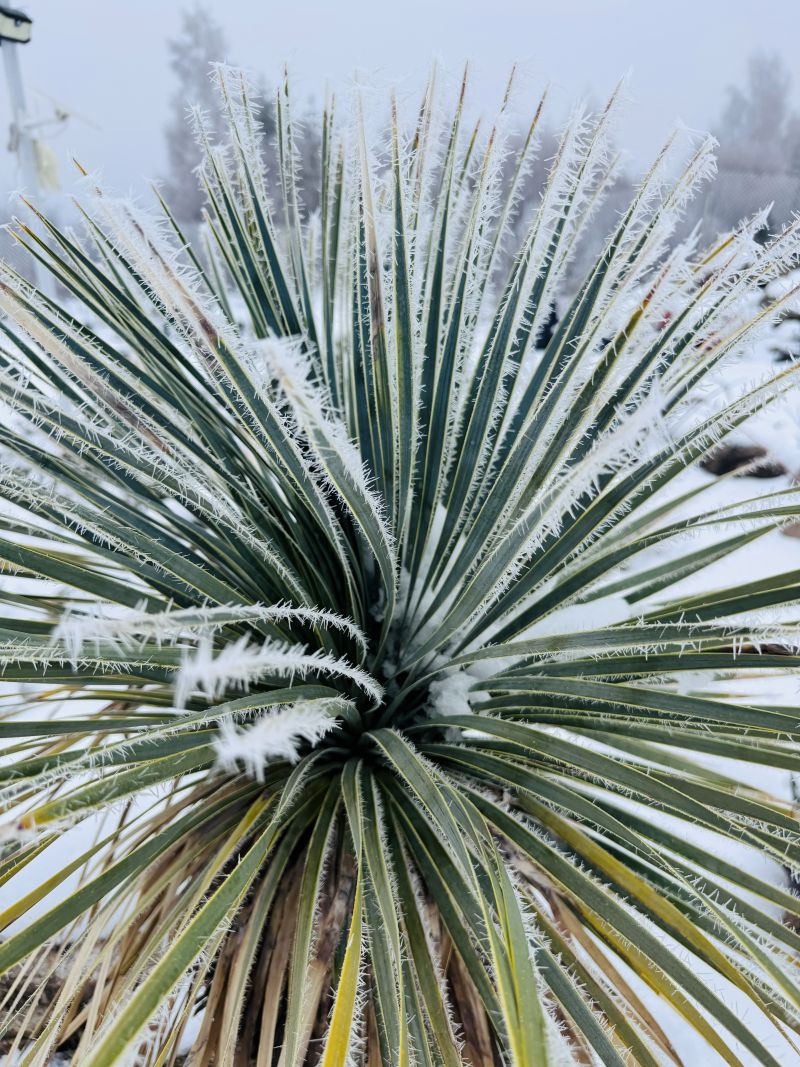 Temperature and Climate Requirements
Yucca rostrata is well adapted to hot, dry climates but is also surprisingly cold hardy for a trunk-forming yucca. In its native habitat in northern Mexico and Texas, the plant experiences intense summer heat as well as occasional winter frosts.
Once established, Yucca rostrata can tolerate temperatures well below freezing, making it suitable for many temperate regions. In well-drained soil, mature plants are known to withstand temperatures down to approximately -18°C (0°F), particularly in dry winter conditions.
The key factor for winter survival is not only temperature but also soil moisture. Wet soil combined with freezing temperatures can damage the roots, which is why excellent drainage is essential when growing Yucca rostrata in colder climates.
For best results, plant Yucca rostrata in a sunny, sheltered location where the soil drains quickly after rain or snow. In regions with very wet winters, raised beds, gravel gardens, or sloped planting areas can greatly improve the plant’s long-term health.
Potting and Repotting Yucca Rostrata
Yucca rostrata adapts well to container growing when planted in a well-draining potting mix and a stable container. Because this species eventually forms a trunk and a heavy crown, it is important to choose a pot that is sturdy enough to support the plant as it grows.
Terracotta or heavy ceramic pots are often preferred because they provide additional stability and allow the soil to dry more quickly between waterings. Always use a container with large drainage holes to prevent excess moisture from accumulating around the roots.
Repotting is usually needed only every few years, as Yucca rostrata grows slowly and prefers slightly confined root conditions. The best time to repot is in spring, when the plant begins its active growing season.
When repotting, gently remove excess old soil, check the roots for signs of rot, and replant the yucca in fresh, well-draining soil. Avoid placing the plant too deep in the new container, as the base of the trunk should remain above the soil surface.
How to Propagate Yucca Rostrata
Yucca rostrata can be propagated from seeds or, in some cases, from offsets produced by mature plants. However, compared to many other yucca species, Yucca rostrata rarely forms offsets, which is why seed propagation is the most common method.
Growing Yucca rostrata from seed requires patience, as the plant develops slowly during its early years. Seeds should be sown in a well-draining soil mix and kept in a warm, bright location. With proper conditions, germination usually occurs within a few weeks.
Young seedlings should be grown in small containers with excellent drainage and watered sparingly. As they mature, the plants gradually develop the characteristic blue-gray leaves and eventually form a trunk after several years.
Although propagation from offsets is less common, some mature plants may produce small side shoots near the base of the trunk. These can be carefully separated and planted in a fast-draining soil mix, where they can develop into independent plants.
How to Encourage Yucca Rostrata to Bloom
Yucca rostrata produces tall, impressive flower stalks topped with clusters of creamy white blooms. However, flowering usually occurs only when the plant reaches maturity, which may take several years depending on growing conditions.
To encourage blooming, the plant must receive plenty of direct sunlight and be grown in well-drained soil. Plants grown in shaded locations or overly rich soils may focus more on leaf growth and delay flowering.
Watering should remain moderate, as excessive moisture or overly frequent fertilization can reduce the chances of flowering. Yucca rostrata naturally thrives in nutrient-poor desert soils, where the plant develops slowly and conserves energy until it is mature enough to bloom.
In warm climates with long sunny seasons, mature plants may flower more regularly. Once a plant begins blooming, it may produce a spectacular flower spike rising well above the leaf crown, creating a striking display in the garden.
How to Properly Prune Your Yucca Rostrata
Yucca rostrata requires very little pruning, as the plant naturally maintains a clean and symmetrical crown. Unlike many shrubs or trees, this species does not need regular trimming to keep its shape.
Most pruning is limited to removing old or damaged leaves from the lower part of the crown. As the plant grows, the oldest leaves gradually dry and hang downward around the trunk. These can be carefully trimmed or gently pulled away to maintain a tidy appearance.
When removing leaves, use clean pruning tools and avoid cutting too close to the growing center of the plant. The crown should remain dense and undamaged, as this is where new leaves emerge.
If the plant produces a flower stalk, it can be removed after flowering once it begins to dry. Cutting the flower spike helps maintain the plant’s appearance and allows it to focus its energy on continued growth.
Overwintering Your Yucca Rostrata
Yucca rostrata is one of the most cold-hardy trunk-forming yucca species, which makes it suitable for many temperate climates. Mature plants can tolerate freezing temperatures when planted in well-drained soil and exposed to plenty of sunlight.
The most important factor during winter is protecting the roots from excessive moisture. In regions with wet winters, waterlogged soil can cause root damage even if temperatures are not extremely low. Planting Yucca rostrata in raised beds, gravel gardens, or sloped terrain helps prevent water from accumulating around the roots.
Young plants and container-grown specimens may benefit from additional protection during severe cold spells. Moving potted plants to a sheltered location or covering the crown during extreme weather can help reduce stress during winter.
In most cases, healthy and established plants require little winter care as long as the soil remains well drained and the plant receives sufficient sunlight.
How to Plant Yucca Rostrata
Planting Yucca rostrata correctly is essential for long-term success. This desert species thrives when its roots are placed in well-drained soil and exposed to plenty of sunlight. Whether grown in containers or planted directly in the ground, proper drainage and a stable planting position are the most important factors for healthy growth.
Below are the two most common planting methods depending on where you plan to grow the plant.
Planting Yucca Rostrata in Containers
-
Choose a heavy and stable container, such as terracotta or ceramic, to support the plant as it grows.
-
Make sure the pot has large drainage holes to prevent excess water from collecting around the roots.
-
Use a fast-draining cactus or succulent soil mix that contains mineral components like sand, pumice, or perlite.
-
Position the plant so the base of the trunk remains slightly above the soil surface.
-
Place the container in a bright, sunny location such as a terrace, balcony, or garden patio.
-
Water lightly after planting and allow the soil to dry between waterings.
Planting Yucca Rostrata in the Ground
-
Select a location that receives full sun for most of the day.
-
Prepare the planting area with well-draining soil, especially if the natural soil is heavy or clay-based.
-
Mix gravel, coarse sand, or small stones into the planting hole to improve drainage.
-
Plant the yucca slightly above ground level to prevent water from accumulating around the trunk.
-
Backfill with the amended soil mix and gently firm the soil around the roots.
-
Water lightly after planting to help settle the soil.
Other Popular Types of Yucca Plants
Yucca rostrata is just one of many fascinating species within the Yucca genus. These architectural plants are valued for their striking shapes, drought tolerance, and ability to thrive in sunny landscapes with minimal care.
Different yucca species vary in size, leaf shape, and cold hardiness, making them suitable for a wide range of garden styles—from desert gardens and modern landscapes to container plantings on terraces and patios.
If you enjoy the distinctive appearance of Yucca rostrata, you may also want to explore other yucca species that offer equally impressive forms and excellent resilience in dry conditions.
You can explore more species in our Yucca plants collection.
You May Also Like
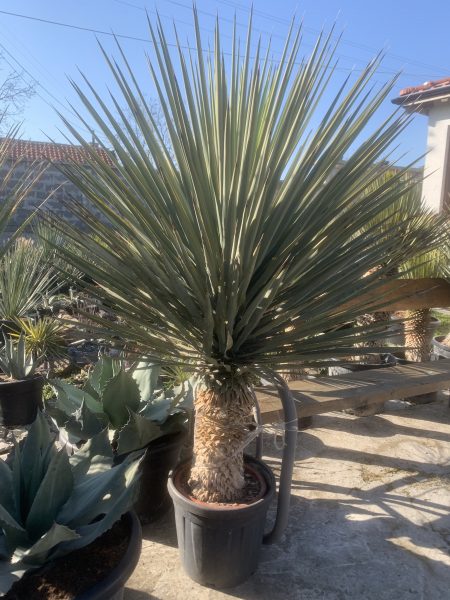


Common Pests and Problems of Yucca Rostrata
Yucca rostrata is generally a very resilient plant and rarely suffers from serious pest or disease issues. When grown in well-drained soil and full sun, it remains healthy and requires very little maintenance. Most problems occur when the plant is exposed to excess moisture, poor drainage, or prolonged low light conditions.
Pests
Although Yucca rostrata is relatively resistant to pests, a few insects may occasionally appear, particularly on plants grown indoors or in containers.
The most common pests include:
-
Scale insects, which attach themselves to the leaves and feed on plant sap.
-
Mealybugs, small white insects that can appear near the base of leaves or in sheltered areas of the crown.
In most cases, infestations are minor and can be controlled by removing the insects manually or by using mild horticultural oils or insecticidal soap.
Plant Diseases
Diseases are uncommon in Yucca rostrata and are usually related to excessive moisture or poor soil drainage.
The most frequent issue is root rot, which occurs when the roots remain in wet soil for extended periods. Symptoms may include yellowing leaves, soft tissue at the base of the plant, or reduced growth.
Fungal leaf spots may occasionally appear in humid environments, but these are typically cosmetic and rarely threaten the plant’s health.
Maintaining proper drainage, allowing the soil to dry between waterings, and ensuring good air circulation are the best ways to prevent most diseases.
Where to Buy Yucca Rostrata Plants
If you are looking to add this striking desert plant to your garden or collection, Yucca rostrata plants are available in our online shop. We offer carefully grown specimens suitable for both landscape planting and container cultivation.
Our plants are selected for strong root systems and healthy growth, ensuring they adapt well to their new environment. Whether you are creating a modern desert garden, a gravel landscape, or a container display, Yucca rostrata is an excellent architectural plant that requires very little maintenance once established.
Healthy, cold-hardy Yucca rostrata plants grown in our desert garden nursery:
Quick Reference
Final Thoughts
Yucca rostrata is one of the most striking architectural plants for sunny gardens and dry landscapes. With its symmetrical crown of blue-gray leaves and exceptional tolerance to drought and cold, it has become a favorite choice for modern landscaping and desert-style gardens.
When planted in well-drained soil and exposed to plenty of sunlight, this species is remarkably easy to grow and requires very little maintenance. Whether used as a focal point in a gravel garden or grown in a container on a sunny terrace, Yucca rostrata brings a bold and elegant presence to any outdoor space.
FAQ About Yucca Rostrata
How fast does Yucca rostrata grow?
Yucca rostrata is a slow-growing plant. In favorable conditions it typically grows about 10–20 cm per year. Over time it develops a tall trunk and can eventually reach several meters in height.
Is Yucca rostrata cold hardy?
Yes, Yucca rostrata is one of the most cold-hardy trunk-forming yuccas. When planted in well-drained soil it can tolerate temperatures down to about −18°C (0°F), especially in dry winter conditions.
Can Yucca rostrata grow in pots?
Yes, Yucca rostrata grows very well in containers as long as the pot has excellent drainage. Using a fast-draining cactus soil mix and placing the plant in full sun will help it thrive in a container.
How often should Yucca rostrata be watered?
Yucca rostrata prefers infrequent watering. Allow the soil to dry completely between waterings, especially in cooler seasons. Overwatering is the most common cause of problems for this desert plant.
Does Yucca rostrata bloom?
Yes, mature plants can produce a tall flowering spike with clusters of creamy white flowers. Flowering usually occurs only after the plant reaches maturity and receives plenty of sunlight.
What soil is best for Yucca rostrata?
Yucca rostrata grows best in well-draining soil. Sandy or mineral-rich soils with gravel, pumice, or coarse sand help prevent excess moisture around the roots.
Guides
If you want to learn more about growing desert plants and yuccas, explore our detailed guides below. These articles will help you create a healthy environment for your plants and improve your gardening success.